
Some Options Beyond Braces
Overcoming obstacles, one smile at a time.

Early Treatment
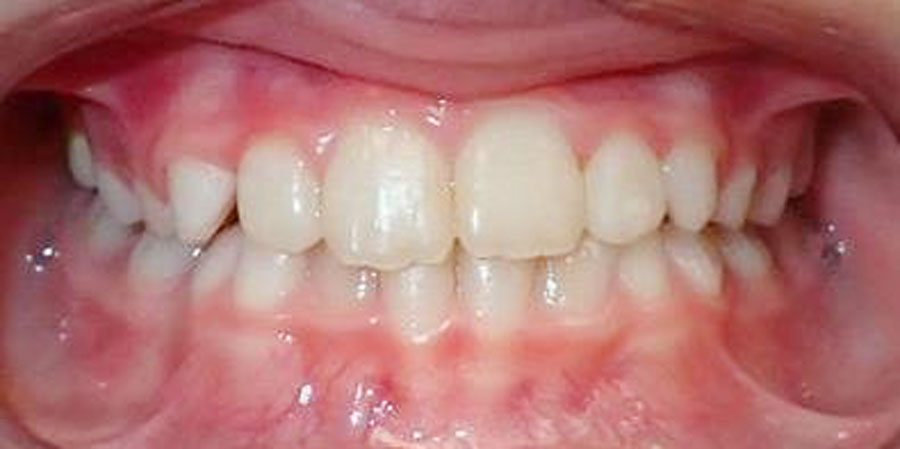
There are some dental problems which occur early in your child’s life and require orthodontic attention. The earlier we catch problems with your child’s bite, the simpler they often are to fix.

Clear Aligners
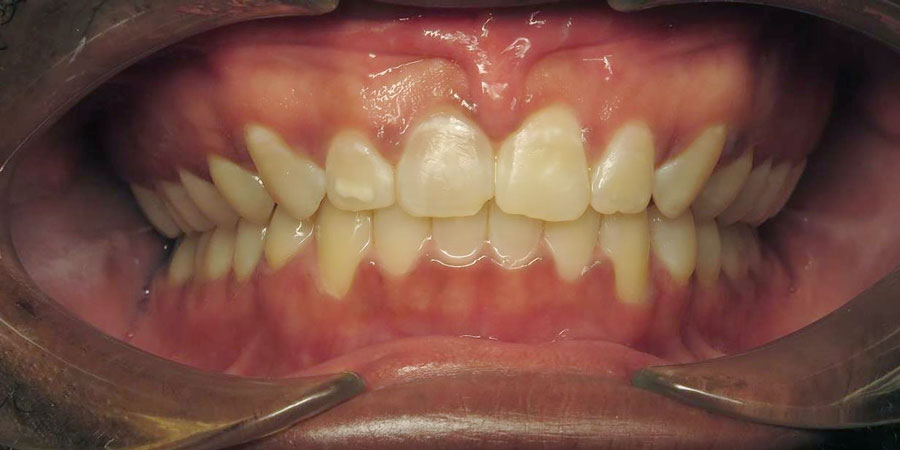
Clear Aligners is a method of teeth straightening utilizing aligners instead of conventional braces. Aligners are removable, comfortable and virtually invisible, which means you can straighten your teeth without anyone knowing; and you can still eat and drink what you want.

Orthognathic Surgery
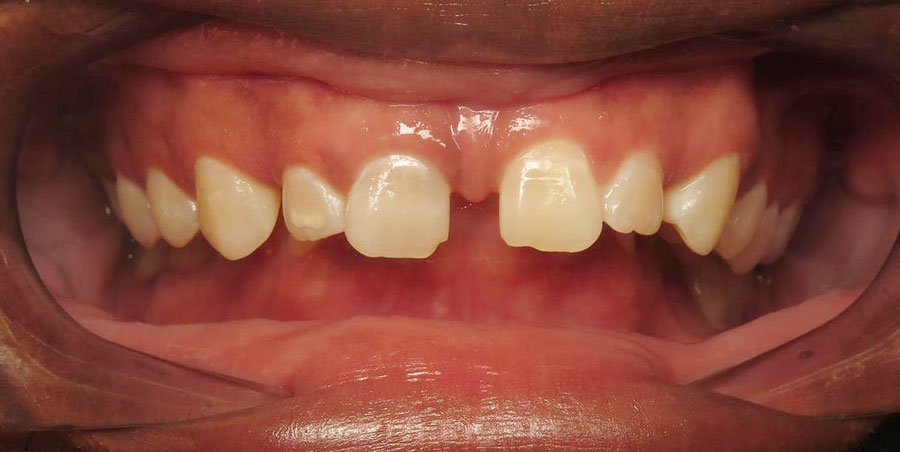
Surgical orthodontics, also called orthognathic surgery, is used for severe cases of bad bites, jaw bone abnormalities, and malocclusions.
Schedule an Appointment
About Us
No mountain too high for our orthodontic team.
50 years and counting


+50%
Approximately 50% of the population has dental misalignments severe enough to require orthodontic treatment.
+67%
Most orthodontic patients are under 18 years old, with about 67.6% of those under 18 having undergone orthodontic treatment
Orthodontics Information
Some facts about orthodontic care.
The success of orthodontic treatment relies heavily on personalized care and patient cooperation in following the orthodontist’s instructions. Here are some things you may not have known
- More than Just Braces: Orthodontists are trained to treat a wide range of issues, including jaw misalignment, bite problems, and facial growth irregularities.
- Not Just for Kids: Approximately one in five orthodontic patients is an adult. Orthodontic care is increasingly common and effective for adults as well as children.
- Health Benefits: Orthodontic treatment is not just cosmetic. Correcting misaligned teeth can improve overall oral health, making it easier to clean teeth and reducing the risk of cavities and gum disease.
FAQ
Frequently Asked Questions
Orthodontics is one of the branches of dentistry that focuses on the diagnosis, prevention and treatment of dental and facial irregularities. Teeth, and sometimes entire facial structures, are permanently changed by orthodontic treatment.
An orthodontist is a dental specialist who has completed an advanced post-doctoral course, following dental school, accredited by the American Dental Association, of at least two academic years in the specialty of orthodontics.
- Improved functioning of the teeth
- A more attractive smile
- Improved self-esteem
- Reduce the risk of injury to protruded front teeth
- Increased ability to clean the teeth
- Guide the permanent teeth into more favorable positions
- Aid in making other dental treatment better
- Better long-term health of the teeth and gums
- Improved force distribution and wear patterns of the teeth
- Reduced appearance-consciousness during critical development years
Although orthodontic treatment can be initiated at any age, many orthodontic problems can be corrected easier if they are identified at an early age. Early evaluation and treatment may prevent the need for surgery and the development of more serious problems later. The American Association of Orthodontists recommends that the initial orthodontic evaluation should occur at the first sign of orthodontic problems or no later than age 7.
Phase I or early interceptive treatment is limited orthodontic treatment, involving partial braces, an expander or other appliances. If necessary, it is usually initiated on children between the ages of 7 and 10, before all the permanent teeth have erupted. The primary objective for Phase I treatment is to correct significant problems, such as crossbites, overbites, underbites, or harmful oral habits, and to create more space for developing teeth. Phase II treatment or comprehensive treatment involves full braces. It is best to assume that your child will need full braces even after Phase I treatment. Phase II treatment is started when all the permanent teeth erupt; generally between the ages of 11 and 13.
No patient is “too old” to wear braces! Optimal results can be achieved through orthodontic treatment at any age. In fact, 20 to 25 percent of all orthodontic patients are adults. Health, happiness, and self-esteem are vitally important to all patients, even adults.
Braces have one aim: to use gentle pressure to move teeth into proper alignment. Braces consist of brackets, which are placed on the teeth, and the archwire, which connects them. When the archwire is placed into the brackets, it attempts to return to its original shape. As it does, it applies pressure to move the teeth into new, more favorable positions.
Treatment time obviously depends on each patient’s specific orthodontic problem. Generally, the average time frame is from one to two years. The patient’s rate of growth and the severity of the condition can impact the actual treatment time. Patient compliance also affects treatment time. It is important that you maintain proper oral hygiene, and attend all regularly scheduled appointments. This will ensure that treatment remains on schedule.
Although the placement of bands and brackets does not hurt, your teeth may feel sore after the archwires are connected. This discomfort should last for one to four days. Your lips and cheeks may need one to two weeks to get used to the braces on your teeth.
Yes. However, we recommend that you wear a mouth guard when participating in any sporting activity. Mouth guards are comfortable and inexpensive. They come in a variety of colors and patterns.
No. However, you may experience an initial period of adjustment. We can also provide brace covers to prevent discomfort.
Yes. Please continue to see your dentist for regular checkups and cleanings.
Traditional braces are the most common type. Besides their color, the only traditional thing about these braces is that you can see them. Today’s braces are made of super-strong metal alloys derived from the space program. They are smaller, more comfortable and more attractive. The density of these braces makes them extraordinarily slippery, which means teeth move faster. Contemporary braces, in combination with other advanced orthodontic materials, reduce the number of office visits necessary to complete treatment.
Ceramic braces are made of translucent (clear) material, so they blend in with the natural color of your teeth. They are most popular with adult patients, due to their cosmetic appeal. In addition, the design of the brackets prevents staining or discoloration from occurring over long periods of time. Dr. Feagin can let you know if you are a suitable candidate for ceramic braces.
Climb to your best smile with us.
Our top specialists are waiting to move mountains for you.